

Unless you’re fluent in meow, you’ve probably been baffled by your kitty’s mysterious ways at least once in your lifetime.
One of the many interesting things cats of all breeds and ages have in common is their fifth “limb” – the tail.
Even bobtailed cats such as the Pixie Bob have one. Theirs are just very short.
If you’ve ever wondered why cats have tails and if their tails serve a purpose, you’ve come to the right place!
Why do cats have tails?
Cats, similarly to other vertebrate animals like dogs, have fully functioning tails, which aid them in several ways including:
- Balance – This is the fundamental purpose of your cat’s tail.
- Landing – The tail serves the purpose of a counterweight. In its unique way, it helps your kitty flip over to land on hisfeet.
- Communication – A cat’s tail movement is one way your cat communicates through body language.
- Sense of Touch – A cat’s tail also plays a role in its sense of touch and the understanding of its surroundings.
Learn more about each of these below:
Balance
You’ve probably seen a cat’s gracious movements while it’s walking on some high perch or surface, like a roof for example.
And if you try walking on a thin, narrow, possibly high surface, you’d instinctively spread your arms in an attempt to balance your body’s weight.
Kitty tails function in the same way as your arms would in such situations.
If a cat has been injured, the tail also acts as an additional limb and becomes even more important for maintaining proper balance.
The same goes for bobtailed feline furballs. Bobtails have significantly shorter tails, but they still use them.

Landing
Wait, cats land on their feet, not their tails. Right? That’s correct. However, your kitty’s tail always comes in handy for landing purposes.
Seeing a cat fall on its back is a phenomenon not only because the feline body is extremely agile. Or in other words, it also prevents possible injuries from occurring.
Regardless of the cat’s notable agility and athletic skills, the tail’s extra counterweight helps by providing extra stability.
Of course, tails aren’t exactly magical. Kitties are prone to landing badly and injuring themselves.
So don’t rely solely on your beloved furball’s tail if you have some dangerously high shelves/ perches in your home.
Communication
Cats communicate in a variety of vocal ways such as purring, yowling, hissing, meowing, and so on.
But similarly to us, human beings, they can also communicate non-verbally with the help of body language.
Even kittens know how to use this extension of their spines for “talking” purposes.
If you observe your pet in different situations, you’ll see that he has tons of different tail positions.
And while his ear movements, facial expressions, and overall body posture can say a lot about a cat’s emotions, his tail is what truly gives everything away.
Whether the tail is twitching, curling up, swishing like an angry broomstick or wagging like a dog’s tail, it’s an undeniable fact that your cat’s fifth “limb” can be just as expressive as human speech.
That being said, it doesn’t necessarily mean that your cat is trying to talk to you when it’s moving its tail. It just means his tail movements and positions are expressing your furball’s inner feelings.
Learning how to decipher these aspects of feline body language can improve your bond with your feline friend. Or at least it can tell you when your kitty is scared or angry and help you prevent possible accidents.
Sense of touch
Similar to a cat’s whiskers, feline tails offer an extra hand when it comes to your cat’s sense of touch.
A cat’s tail contains around 10% of the kitty’s overall bone count and it’s filled with countless nerves. These not only serve as motoric nerves but also as sensory nerves.
Most cats don’t like having their tails touched or stroked.
Keep that in mind next time you’re petting your fluffy pal.
And keep in mind all of the other ways your cat’s tail is serving it so that you won’t be baffled by your pet’s fear or aggression when you’re reaching towards its tail.
Cat tail facts
Are you eager to find out more facts about your pet’s tail? Keep reading.
Tail injuries can lead to serious damage
Your kitty’s tail is a natural extension of its spine, but the spinal cord doesn’t stretch into his tail. Nevertheless, tail injuries can lead to some pretty serious permanent damage to your cat’s spine.
Injuring the nerves in a feline tail can result in temporary or even permanent inability to feel, walk, hold the tail in a certain position or urinate properly.
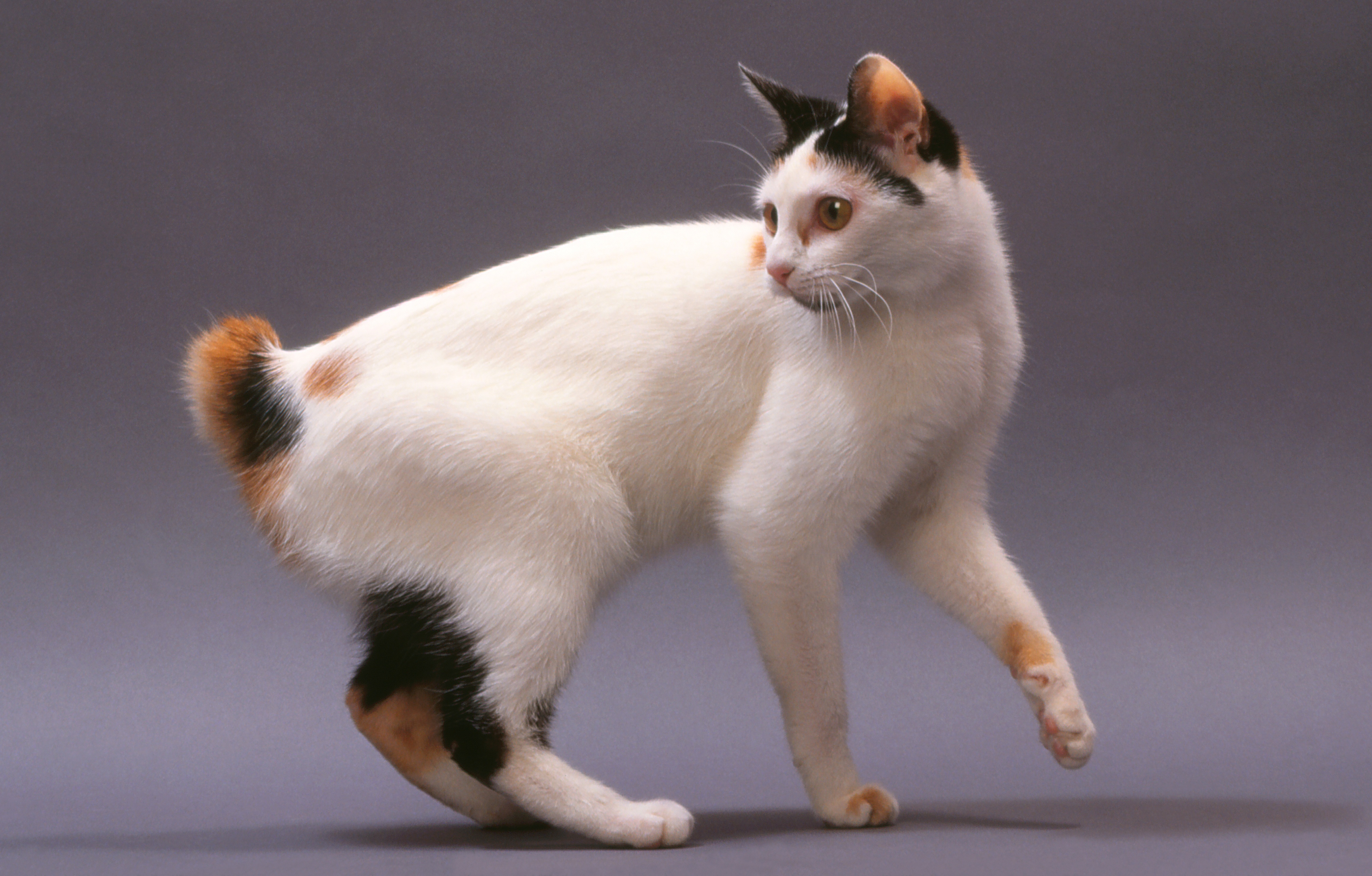
Bobtailed cats don’t all have the very same tailless gene
Not all bobtailed or seemingly tailless cats carry the very same gene. It depends on the breed’s genetics.
On top of that, tailless or bobtailed kitties can be born to one bobtailed and one fully tailed parent.
And that’s just another reason as to why kitties are so curious and unique!
Cats can live and manage without a tail
Even though the tail is an essential part of the feline body for so many different reasons, kitties can survive the loss of their tail and can live without it.
If there hasn’t been any permanent damage to the nerves and bones in the body, your pet will learn how to cope with leading a tailless life. After he gets used to the loss of the fifth “limb”, he can still have a normal life.
That, however, doesn’t mean that you should take your cat’s tail lightly.
Don’t tug, squeeze, pull or play with it under any circumstances. And don’t allow any children or house guests to do it either. Even if you don’t cause any physical damage to your cat’s tail, these actions will still cause your pet emotional discomfort.
